
A recent MarketWatch article, “The AI cloud math is broken, and it’s creating a power shift within Big Tech”, is worth reading for anyone thinking about the economics of enterprise AI. Its central argument is provocative: as AI workloads become persistent rather than occasional, the traditional assumption that renting compute will always be economically superior to owning it deserves reconsideration. The article points to growing inference demand, hardware constraints, and increasingly significant AI operating costs as forces changing that calculation.
This strengthens the case for Hybrid AI. Enterprises do not need a frontier model for every classification, retrieval, summarization, workflow, or agent interaction. Open-weight models running on enterprise-controlled infrastructure can handle predictable, routine workloads, while frontier models can be selectively invoked as expensive consultants when a problem genuinely requires their superior reasoning capabilities. The objective is not cloud versus on-premises, or open versus proprietary models—it is intelligently orchestrating all of them.
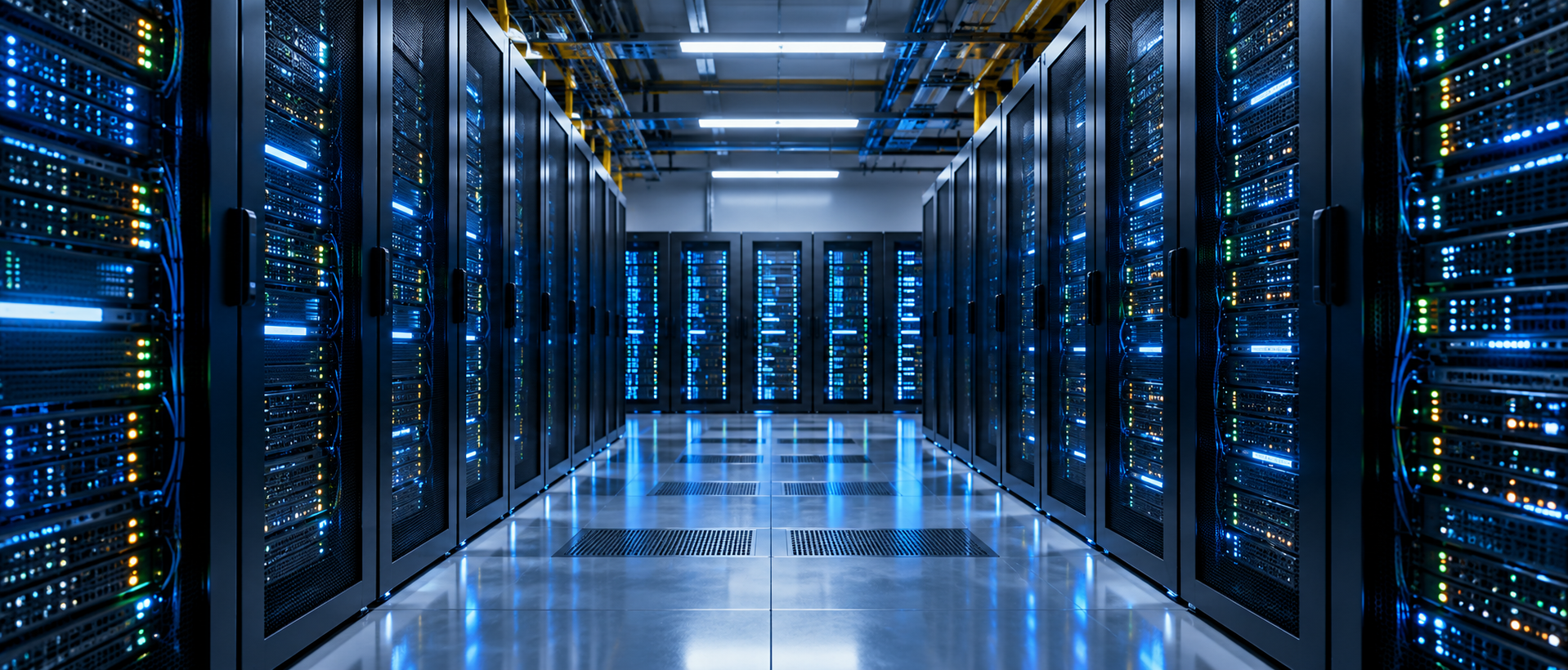
The infrastructure economics become particularly interesting with Agentic AI. Agents may continuously retrieve context, reason, invoke models, evaluate results, and repeat workflows. When compute is predictably busy around the clock, the original attraction of paying only for what you consume becomes less compelling. Owned infrastructure can effectively transform portions of AI inference from an endlessly metered operating expense into capacity the enterprise controls. Cloud remains invaluable for elasticity, experimentation, and access to frontier intelligence; it simply may no longer be the default destination for every inference.
This is precisely where Reasoned Insights sees an opportunity: architecting Hybrid AI environments that route each workload to the right model, right infrastructure, and right economics. The future of enterprise AI may not belong to organizations consuming the most tokens. It may belong to those that become smartest about deciding which tokens they should never have needed to buy in the first place.